
Close
Search

Enter the words or phrases you want to find

Blog

How to Plan for a Healthy New Year

The New Year is almost here, which makes it a perfect day to start healthy lifestyle changes!

Eating smart, moving more and living mindfully all play major roles in the success of maintaining your weight and not gaining. I have two simple tips for each part of a healthy lifestyle change. Try something new today and be intentional about building healthy habits, because we know that you can!

Eat Smart

  1. Play around with healthy snack recipes.

Design your own trail mix or spice up your popcorn, get creative with fruit and yogurt, and try a healthy spin on muffins.

  1. Make time to plan your meals and/or snacks for the day on a daily or weekly basis.

This will require more of your time up front, but if you have a busy schedule, it is quite satisfying to throw your food in a lunch bag each morning and skip the fast food and vending machines.

Move More

  1. Choose a new walking route or workout routine at the gym or at home.

Pick a new outdoor walking route by going to a friend’s neighborhood, a nearby park, or downtown area. You can try yoga, pilates, or tai chi, either at home (several beginner tutorials are available online for free) or in a group class.

  1. Be active in a different way.

Turn daily tasks into a way to be active – climb stairs (walk or jog up and down for a good cardio workout), park towards the back of the parking lot for extra steps or move during commercial breaks while watching TV (you can do leg lifts, arm circles, or march in place).

Live Mindfully

  1. Celebrate your successes in a healthy way with non-food rewards.

Congratulate yourself for successes (no matter how big or small) by purchasing a new pair of running or training shoes, having a self-care afternoon or evening, or planning a fun day trip with your family or friends.

  1. Alter your morning or bedtime routine.

Simply waking up 15 minutes earlier or preparing for bed by a certain time can help you feel more relaxed and less rushed each day. You can use this time to stretch, prepare your breakfast, lunch and/or snacks plan for the day ahead.




Rethinking the New Year’s Resolution

January 1st will be here before we know it. Every year, at least one person asks me what my New Year’s resolution is and my answer has always been the same…I don’t have one. Why? Because I like to think of the changes I want to make in my life on a continual basis, not just once a year.

We always know when the New Year is approaching because stores start pushing hand weights, yoga mats, and workout attire to the front of the store to grab your attention and gyms start advertising their winter specials on memberships. Of course, exercising more or losing weight may be the most popular New Year’s resolution, but those aren’t the only resolutions to consider – you may want to get more organized, spend less or save more money, or spend more time with family or friends.

Whether you choose to have a New Year’s resolution or not, make sure that you have a sustainability plan. If I recognize that I need to make a healthy lifestyle change, such as getting more sleep each night or stretching every day to improve my flexibility, I plan out how it will look by creating SMART goals. This allows me to be very specific about what I am saying I want to do so that it doesn’t just stay in my mind, but it becomes a well-thought plan that is doable and most importantly, written down!

Take time to write down the things that you want to change or improve in your life. Make sure these are things that you can accomplish within the time frame you set and continue thereafter.

As we prepare for a new year, start to think about resolutions to make throughout the year, be specific about what you want to do differently and don’t hesitate to start making those positive changes now.

Tips for Staying Healthy While on the Road

healthy travel

It’s that time of year where long car rides or flights may make an appearance in our schedules. At my house, all of our family lives out of state so whenever the holidays arrive, we are most likely on the road. With that being said, we have had quite a few experiences traveling up and down the east coast. There are some things such as traffic that can make a road trip feel even longer. However, there are some things within our control that will make traveling a little easier. For me, maintaining a healthy lifestyle while traveling is very important and generally makes me feel better even after 10+ hours in a car. Though a little planning is involved, there are some simple ways to eat healthy and stay active while on the road.  Here are some of my best tips for staying healthy while on the road:

  1. Pack healthy snacks. This one was a game changer for me. Instead of indulging in fast food, healthy snacks keep my hunger levels under control and helps my overall energy level to stay alert if I’m the one driving. By avoiding the high sodium, sugar, and fat that is often found in fast food, I feel better and stay on track with my calorie budget. Some of my favorite travel snacks include a pack of almonds, low-fat string cheese, grapes, and carrots with hummus.
  2. Take regular breaks. While it may feel counterintuitive, taking regular breaks can actually make the trip feel shorter. Instead of pushing yourself for hours until you can’t stand to be in the car for another minute, stopping for a breath of fresh air and getting out of the car can recharge your mental and physical state.
  3. Use breaks to stay active. Even if the stop is only 5 minutes, take that time to do more than just stand outside of the car. Try some active stretching, jog in place, or do some simple bodyweight exercises such as squats or jumping jacks.
  4. Choose healthier options at mealtime. If your trip is longer than 4 or 5 hours, you may find yourself stopping for a meal at the most convenient fast food restaurant. In order to make the best choice for a meal on the road, take a little time before your trip and map out where you will be stopping around lunch or dinner time. Scout out some restaurants with healthier options beforehand and even plan ahead what you will order.

Overcoming Holiday Stressors in a Healthy Way

The holiday season can be a very busy time of year, which can cause a great deal of stress. The good news is, you can overcome those stressors and continue working toward achieving those healthy eating and physical activity goals.


Do any of these sources of stress ring a bell?

Spending extra time shopping and preparing food for family meals and/or festive events.

Feeling pressure to over-indulge in holiday goodies at social events.

Struggling to fit physical activity into a busy schedule.


Know what situations cause you the most stress and learn to how to handle them in healthy ways. Here are five tips to consider when holiday stressors arise.

  1. Set healthy eating and physical activity goals that can be reached in a realistic time – To develop healthy habits, start with small steps and work your way up.
  2. Practice saying “no” to the things you really don’t want or need.
  3. Ask for support from friends, family and coworkers– Expecting support from people who don’t understand what you are trying to change can be stressful. Explain your goals and lifestyle modifications for mutual understanding.
  4. Plan time to take care of yourself, physically and mentally – this includes getting enough sleep each night and planning time for what is important to you.
  5. Be active – Even if you just take a brisk walk outside, physical activity is a stress reducer.


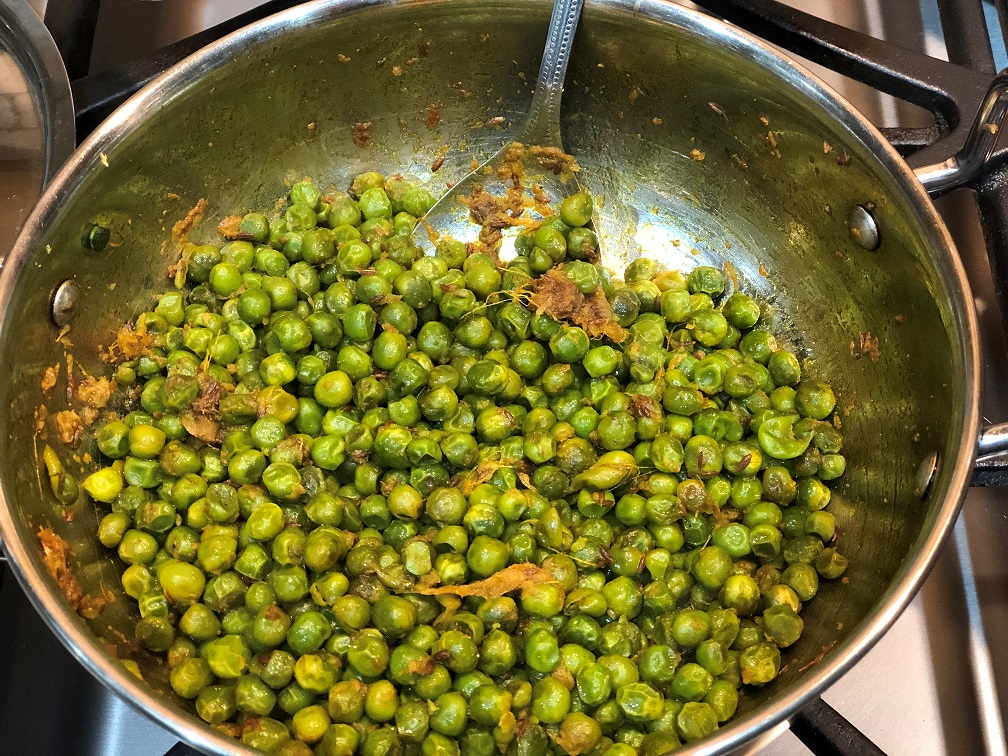
Sautéed Green Peas

sauteed peas

I will not say that green peas are my favorite vegetable but something about green peas during winter is very comforting to me. Maybe the reason is that they remind me of my childhood days when I sat down with my mom or grandmother and popped them out of their pods so they could be cooked for a meal. Yes, we did not get ready-to-cook or frozen peas growing up in India. 🙂  The convenience of having access to frozen peas in the US has definitely made green peas one of the choices I often go to on a busy weeknight.

Green peas are a great source of fiber and some minerals along with protein. I use green peas in several dishes such as mixed with cauliflower, chopped carrots, paneer (Indian cottage cheese), etc. However, when I am short on time to prep these other ingredients I go for just plain green peas like in the recipe below. It is super quick and simple to put together.

Sauteed Green Peas

Serves 4

Ingredients:

  • 1 bag frozen baby sweet peas (usually 12-13 oz.)
  • 1 tbsp olive oil
  • 1 inch cube of grated fresh ginger
  • 1 tsp cumin seeds
  • 1 tsp turmeric
  • 1 tsp curry powder
  • ½ tsp cayenne pepper or red chili powder (optional)
  • ½ tsp garam masala (optional)
  • Salt to taste

Directions:

  1. Heat olive oil in a small to medium size skillet. Once hot, lower the flame and add grated ginger, cumin seeds, turmeric, curry powder, cayenne pepper and garam masala. Sauté for 15-20 seconds.
  2. Add green peas and mix all ingredients well.
  3. Add salt and mix again.
  4. Cover with a lid and cook on low flame with occasional stirring until peas are well done.

Notes:

  • Fresh ginger and spices really bring out the flavor and taste in this recipe but based upon your preference these ingredients can be adjusted as needed.
  • You can use frozen baby sweet peas or regular sweet peas for the recipe. Baby sweet peas cook quicker and are sweeter. Regular sweet peas take longer and depending upon the brand it may be helpful to put them in the microwave for a few minutes before using in the recipe.

Nutrition Information per Serving*:

  • Calories – 100
  • Fat – 3.5 grams
  • Protein – 4 grams
  • Carbohydrates – 12 grams

* Calculated using MyFitnessPal recipe analyzer, www.myfitnesspal.com/recipe/calculator.

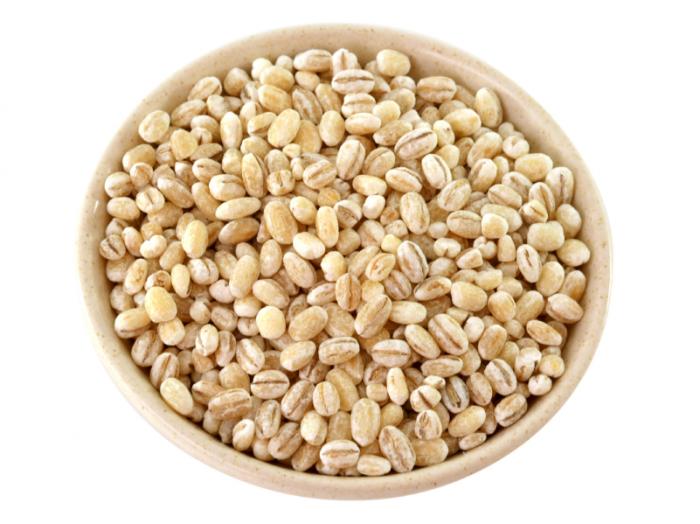
Wild Mushroom and Barley Risotto

barley risotto

Barley is a great grain with lots of nutty flavor and a nice bite. We often see barley in soup but it can be used for many dishes. This risotto takes advantage of this grain’s great taste and creamy texture when cooked using this method. Risotto is often thought of as a dish made with rice but it is actually a cooking method. It seems hard at first but is not too difficult. Just get a glass of your favorite beverage, stand and stir and contemplate life for a few minutes. The extra effort is worth the trouble. This dish is a great example of adding lots of vegetables in a grain dish to decrease calories and boost fiber. This recipe is compliments of my friend Chef Ellen Clevenger-Firley – thanks Ellen!

Wild Mushroom and Barley Risotto

Serves 6

Serving Size: 1/6th of the recipe

Prep Time: 45 minutes to 1 hour

Cook Time: 45 minutes to 1 hour

Total Time: 45 minutes to 1 hour

Ingredients:

  • 6 cups mushroom, vegetable or chicken stock
  • 1 ½ cups water
  • 3 T olive oil
  • 1 cup minced onion
  • 3 cups sliced or coarsely chopped mushrooms, any variety of a combination
  • 1 ½ cups barley rinsed (do not use quick cooking)
  • ½ cup red wine
  • 6 cups baby spinach
  • ½ cup grated parmesan cheese (omit to make this dish vegan)
  • 1 tablespoon butter (omit to make this dish vegan)
  • 2 teaspoons balsamic vinegar
  • Freshly ground pepper to taste

Directions:

  1. In a medium sauce pan, bring broth and water to a simmer.
  2. Heat oil in a large Dutch oven or large chef’s pan. Add onion and cook for 2 minutes.
  3. Add red wine and cook until almost evaporated.
  4. Add the mushrooms and cook stirring often until they begin to release their juices.
  5. Add barley and cook for 1 minute.
  6. Add 1 cup of warm broth and stir continuously until almost all of the liquid is absorbed.
  7. Continue adding broth 1 cup at a time while stirring. Keep adding broth until barley is cooked through and tender (about 35-45 min). Add a bit more broth. Dish should be a bit loose at this point as it will continue to thicken.
  8. Stir in spinach and allow to wilt.
  9. Add more broth if the dish is too stiff.
  10. Stir in cheese and butter if using.
  11. Taste and add pepper and adjust seasoning if needed.

Nutrition Information per Serving:

Serving Size: 1/6th of recipe

Vegetables: 1 cup

Fruits: 0 cups

Calories: 314

Carbohydrates: 46 grams

Fiber: 9 grams

Protein: 10 grams

Fat: 12 grams

Sodium: 450-700mg – depending on broth selected

Baby It’s Cold Outside: Tips for Staying Active During Winter Months

Staying active in the winter months

Just a year ago, when I thought of wintertime I pictured drinking hot cocoa, preparing for the holidays and wrapping up in a warm blanket – physical activity certainly was not on the list.

The winter months and the holiday season can bring a distaste for being active. Be encouraged to discover what works best for you so that physical activity can be a part of your daily routine, even you are in stuck indoors.

Try these tips to practice moving more this winter.

  • Be resourceful – Don’t feel discouraged if you lack fancy equipment at home, just use what you already own to compliment your exercises. Stretching is a great way to warm up your muscles and improve flexibility and you can modify stretches by using your bed or a chair. These modifications work perfectly, especially if you don’t own a yoga mat or you aren’t yet comfortable stretching on the floor. There are several muscle strengthening exercises that can be done if you have light dumbbells (3 or 5 pounds), but if you don’t, water bottles or cans of food also work well.
  • Walk indoors – Take advantage of convenient and spacious buildings to get your walking done when it is too cold to walk outside. Even if you don’t belong to a gym, you can walk laps inside your local mall, favorite grocery store or department store, your workplace building, or a local library. Be sure to add stairs into your walk when you can!
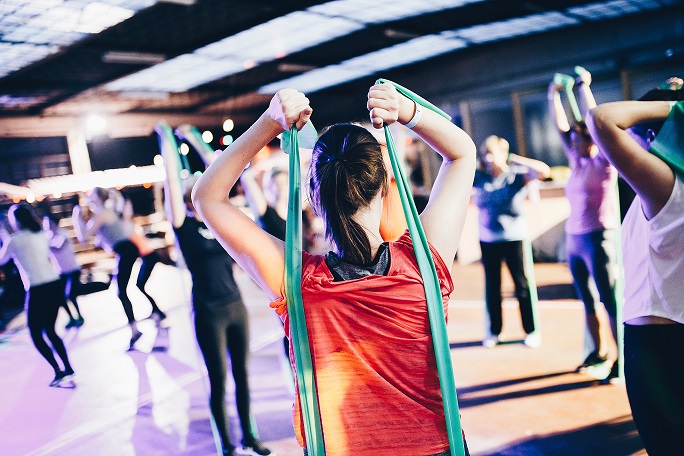
  • Try something different – Last year I decided to try yoga, but I wasn’t sure where to begin after purchasing my yoga mat. I searched for videos online until I found a great Youtube channel that provided countless easy-to-follow yoga lessons. Since then, I’ve found 15-minute full body workout videos and I’ve also started using a resistance band. I enjoy having a variety of exercises to choose from when I need to workout at home.
  • Build your activity bank – I always have a plan (my activity bank) for physical activity so that I can cancel all excuses when it is too hot, too cold, raining, or if I’m away from home for several days. This is simply a list of activities or exercises that I am comfortable doing, regardless of the weather or the equipment I have on hand.

You Might Also Enjoy:

Tips for Staying Active, Even When It’s Hot Outside

5 Ways to Move More At Home

5 Ways to Help Your Employees Stay Active at the Office

Don’t miss another great blog: Subscribe Now

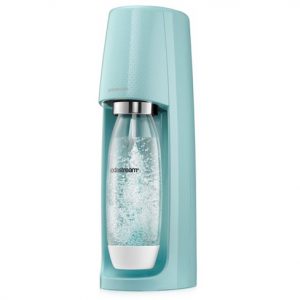
Want to kick your soda habit? Try a SodaStream

Growing up I was not a soda drinker nor did my parents keep soda in the house. However, to my parents’ horror (just kidding) in college,I began to indulge in soda on a regular basis. It did not help that my boyfriend at the time (and now my husband) was an avid Dr. Pepper drinker. Eventually, we both decided it was time to kick soda to the curb. In our pursuit to drink less soda, we realized we still craved the carbonation. Initially, we bought flavored seltzer water, mainly the very popular brand, LaCroix. Then I saw advertisements for SodaStream products and wondered if we could forgo the flavoring and as a bonus ditch all the aluminum cans.
Whenever I want reliable product reviews, I always turn to the Wirecutter. According to their research and product testing, the SodaStream Source is the best soda maker because it offers a wide range of bubbles, makes great-tasting seltzer, and is incredibly easy to use. I can personally attest that all of those claims are accurate. Also, the machine requires no electricity because it uses a single replaceable CO2 canister to carbonate tap water. However, the SodaStream setup may not be for everyone. Here are some practical considerations:

SodaStream Initial Costs:

  • SodaStream “Source”: $99.99 (current price from Walmart)
    • Includes reusable BPA-free bottle
  • 60-liter CO2canister: $29.99 for initial canister, then $15 to exchange.
    • Total initial costs: $129.95

SodaStream Ongoing Costs:

  • 60L CO2Canister Refill: $15 (many places that sell the SodaStream will refill your original canister)
  • Flavoring (optional): $5 per concentrated bottle

LaCroix Costs:

  • 8 pack of cans: $3.69 (current price from Target)

Cost Comparison:

A 60-liter SodaStream canister is equivalent to 169 cans of LaCroix (60L = 2,028 ounces, divided by 12 ounces per can equals 169 cans). LaCroix is 46 cents per can versus SodaStream is priced at 8 cents per can. However, you have to consider the initial costs of the SodaStream machine and how long it would take you to reach the payoff point. Whether the SodaStream is cheaper in the long run than buying individual cans largely depends on your (and your family’s) consumption levels. Personally, I don’t mind if it’s not an economical win because I really enjoy the convenience and waste-reduction factors.

Bottom Line:

Would I recommend this product to others? Absolutely! I love that you can customize the carbonation levels in your seltzer and that the appliance doesn’t use electricity. Most importantly, I can happily report that my family and I are reformed soda drinkers and only indulge on the rare occasion, in large part due to our SodaStream Source.

Want to Slow Aging, Eat More Fish

eat more fish

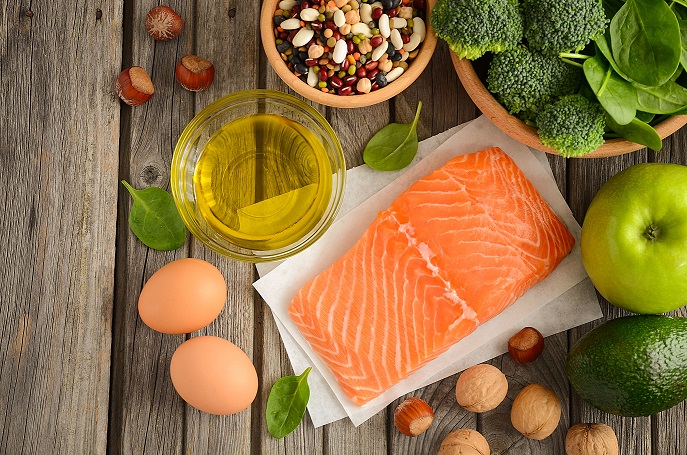
Run, don’t walk to the seafood market. You will benefit from the physical activity AND the omega 3 fatty acids. A recent study in the British Medical Journal reminds us once again of the need for fish in our diet. Inflammation is the root of many of our health issues. In fact, seven of the leading causes of death are due to chronic inflammation. Eating more fish, especially fatty fish such as salmon, trout, tuna, and mackerel, can help reduce inflammation. For more information about eating more fish, click here: Steps to Eating the Med Way: Change Your Protein.

Worried about the mercury – don’t be. Salmon is especially low in mercury. Salmon is a go-to in our house at least once a week. It is super easy to fix, try the following for an easy salmon dinner:

  • Heat 1-2 Tablespoons of olive or canola oil in a saucepan (it is better to use a regular pan as opposed to nonstick as they get hotter and allow you to get a good sear).
  • Place the salmon skin side up in the pan. You want to cook the side that will be facing up on the plate first.
  • Cook for about 4 minutes depending on thickness. The salmon will release from the pan when it is seared.
  • Flip and cook for a few more minutes until desired doneness.
  • Serve with a salad or roasted vegetables.

For more salmon recipes, please click here: Salmon Recipes.


How to Exercise When It Gets Darker Earlier (and colder!)

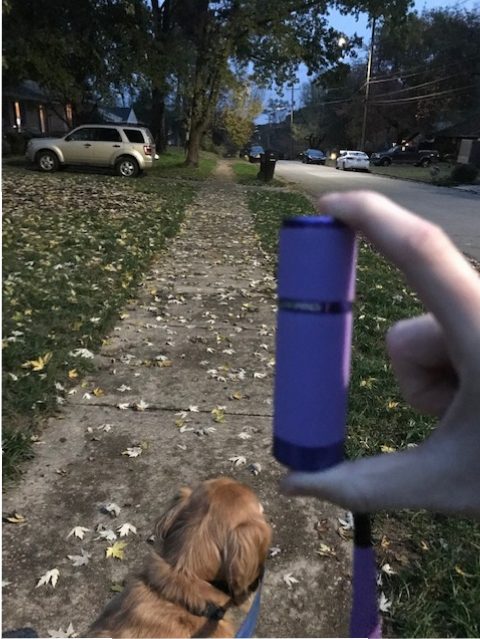
The winter season brings shorter days and colder temperatures. But that doesn’t mean you can’t stay active! Plan ahead, consider alternative exercises, and be prepared to readjust your workout routine as we move into the winter season. The simplest adjustment I have made that has kept me active during the shorter days is the purchase of a tiny but powerful flashlight. This flashlight has allowed me to maintain my evening walks with my dog, and to feel safe while doing so. See below for a few additional tips to stay active during shorter days and colder temperatures.

exercise when dark

  • Purchase a flashlight. As I mentioned above, a small handheld flashlight is key to staying active when it gets darker earlier. Even if you leave the house when it’s light out, be prepared with the quick onset of darkness. Keep it in your pocket or purchase one with a wrist strap to easily carry. This one I grabbed in the check out line of Lowes for a dollar or two and it was worked great!
  • Choose well-lit streets and sidewalks for walking, jogging, or biking. Even if you carry a flashlight, be mindful of the light provided by streetlights along your route. Make sure you are in a safe area without a lot of traffic and move off to the side when a car goes by.
  • Dress in layers. Remember to stay warm and dress in layers – as you move more you can take the layers off as needed. Or, as it gets darker you can put more layers on as needed. Choose light colors that are easier to see in the dark or consider a reflective vest. Don’t forget gloves or ear warmers – you might leave the house with warm hands but soon hey might get chilly (especially if you have to carry a leash!).
  • Consider adjusting your schedule. Can you move your evening walk to a lunch time walk? Or instead of a 30 minute walk at night can you do a 20 minute morning walk and a 10 minute evening walk? Considering moving some of your activities to the daylight hours if possible.
  • Try Youtube videos or exercise apps. Exercise indoors with the help of Youtube videos or an exercise app. There are plenty out there to choose from with a variety of exercise options available – zumba, body-weight exercises, yoga, you name it.
  • Consider a month-to-month gym membership. If you are not typically a gym goer and are hesitant to sign a gym contract (usually for a full year), find a gym that offers a month-to-month style membership. That way, you can use as needed during the winter and then go back to your regular exercise routine when it gets warmer.

How do you like to stay active when it’s cold and dark outside? Share your tips and thoughts below in the comments.